Advertisement
Advertisement

The Stilt, Not the Lecture

Why Traditions Survive Through Falling, Not Through Paperwork

I watched a teenager roll his eyes at a heritage workshop once. He was not being rude. He was bored. Someone had pulled him out of a football game to stand in a hot room and listen to an older person talk about the old days. I do not blame him for the eye roll. But I also noticed something else. Twenty minutes later, that same teenager was holding a stilt, trying to balance, laughing when he fell. The talking stopped. The doing started.

That is the difference between announcing a tradition and actually keeping it alive.

The National Trust runs something called the Heritage Keepers Project. Students go into their own communities and document what matters to them. They create heritage journals. Those journals go into school libraries. Not hidden in some ministry archive downtown. In the library. Where other students can pull them off the shelf and argue with what they read. That is the part I like. The arguing.

Because traditions are not fragile glass. They do not break if you handle them roughly. They break if you stop handling them at all.

I have seen too many preservation efforts that treat culture like a museum exhibit. Do not touch. Stand behind the rope. Look but do not participate. That approach fails every time because it misunderstands what a tradition is. A tradition is not an object. It is an action that gets repeated. And actions require bodies. Hands. Mistakes. Someone teaching and someone else learning badly at first and then better later.

The Tiny Mas, Big Heritage event at Mille Fleurs got this right. Children did not just watch a Moko Jumbie. They strapped on the stilts. They fell. They got up. They tried again. That is not a metaphor. That is literally what happened. And every fall was more valuable than any lecture on the history of stilt walking.

Here is something I believe plainly. If a tradition cannot survive a child doing it badly, it was never going to survive at all.

The Minstrel character from old Carnival is making a quiet comeback. Not because someone wrote a good grant proposal. Because portrayers decided to put on the costume and walk through the streets. People saw them. Asked questions. Took pictures. Shared stories. That is not revival. That is just living. The word revival suggests something dead came back. But the Minstrel never died. It just went quiet for a while.

I think about the Arima Dial sometimes. Landmarks mean different things to different generations. To my grandmother, it was a meeting point. To my cousin, it is where she waits for the taxi. To a group of older men, it is where they lime on a Saturday afternoon. Same spot. Different meanings. That is not confusion. That is continuity. The place holds all of them at once.

We spend a lot of time worrying about what young people do not know. We complain that they cannot name the old Carnival characters or sing the old songs. But complaining is not teaching. And teaching is not telling. Teaching is handing someone a stilt and standing close enough to catch them.

The teenager with the eye roll eventually walked away from that workshop still talking about the stilt. Not the lecture. The stilt. That is what he will remember in ten years. Not the facts. The feeling of almost falling and then finding his balance.

That is the only preservation method that has ever worked. Everything else is just paperwork.
Not everything worth reading starts as an assignment. If you've been sitting with an idea, there's space for it here.

Advertisement
Advertisement

Read More

man fixing a boat on marina
LIFESTYLE ECONOMICS

The Fifth Season: The True Cost of Boat Ownership

Drive past any yard where vessels sit blocked up on timber and you start to see it. Faded gelcoat that looked glossy in the listing photos. A tarp pulled tight in some places, loose in…

By The Notebook
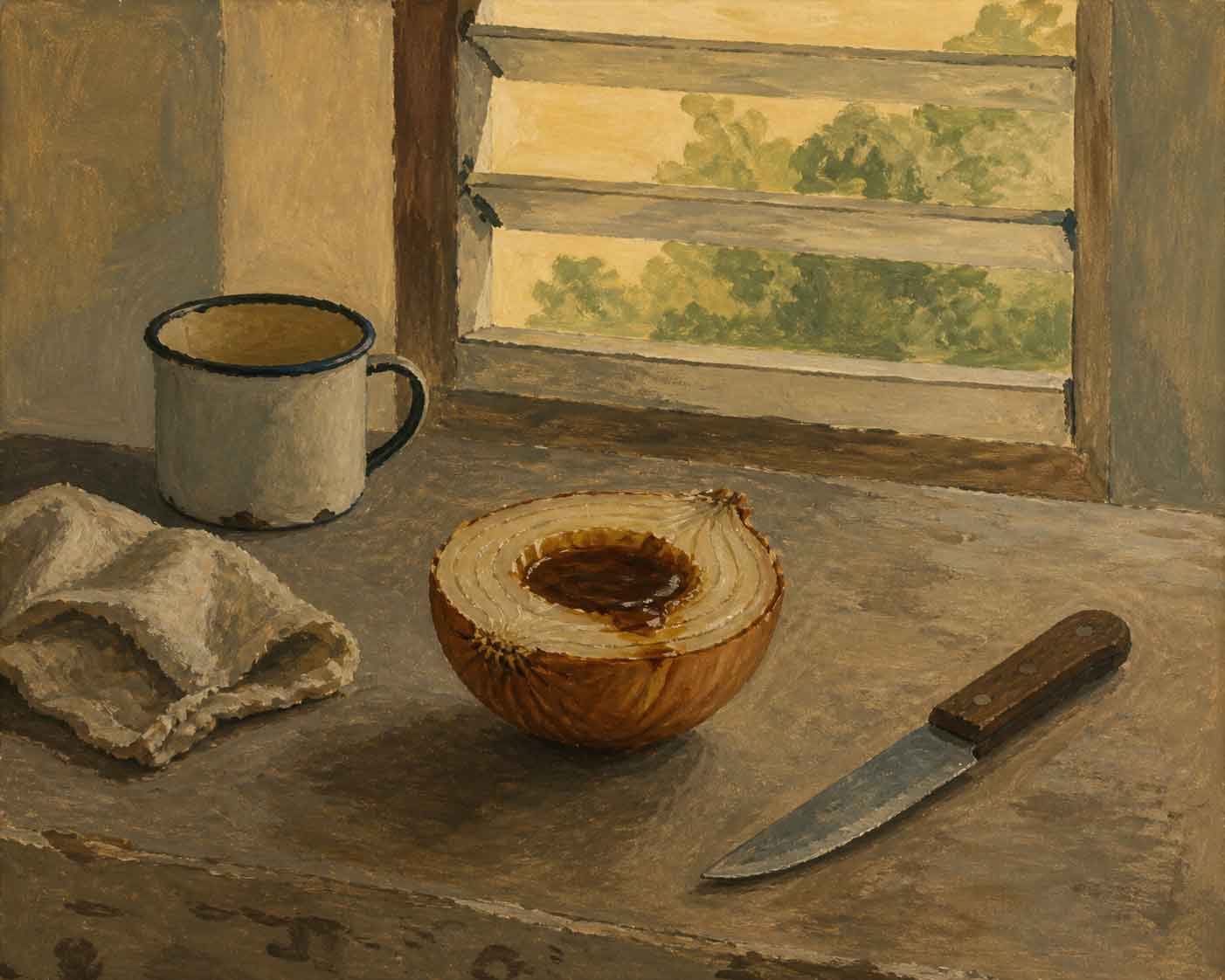
Rustic still life with tropical view
HEALTH AND WELLNESS

Health on Zero Dollars: What Actually Works

I remember my grandfather's hands. He worked in the yard every evening. Not lifting weights. Just digging, planting, pulling weeds, carrying buckets of water. He never owned a pair of dumbbells. He died at eighty…

By The Archivist
Car for sale in residential street
MOTORIA

Dashboard Lights Sellers Hope You Ignore

Run your hand lightly across the tread surface. If it feels choppy or uneven like small steps, suspension parts may already be wearing out. Some buyers only notice this after the steering wheel starts vibrating…

By The Notebook
passing shapes
SOCIAL OBSERVATION

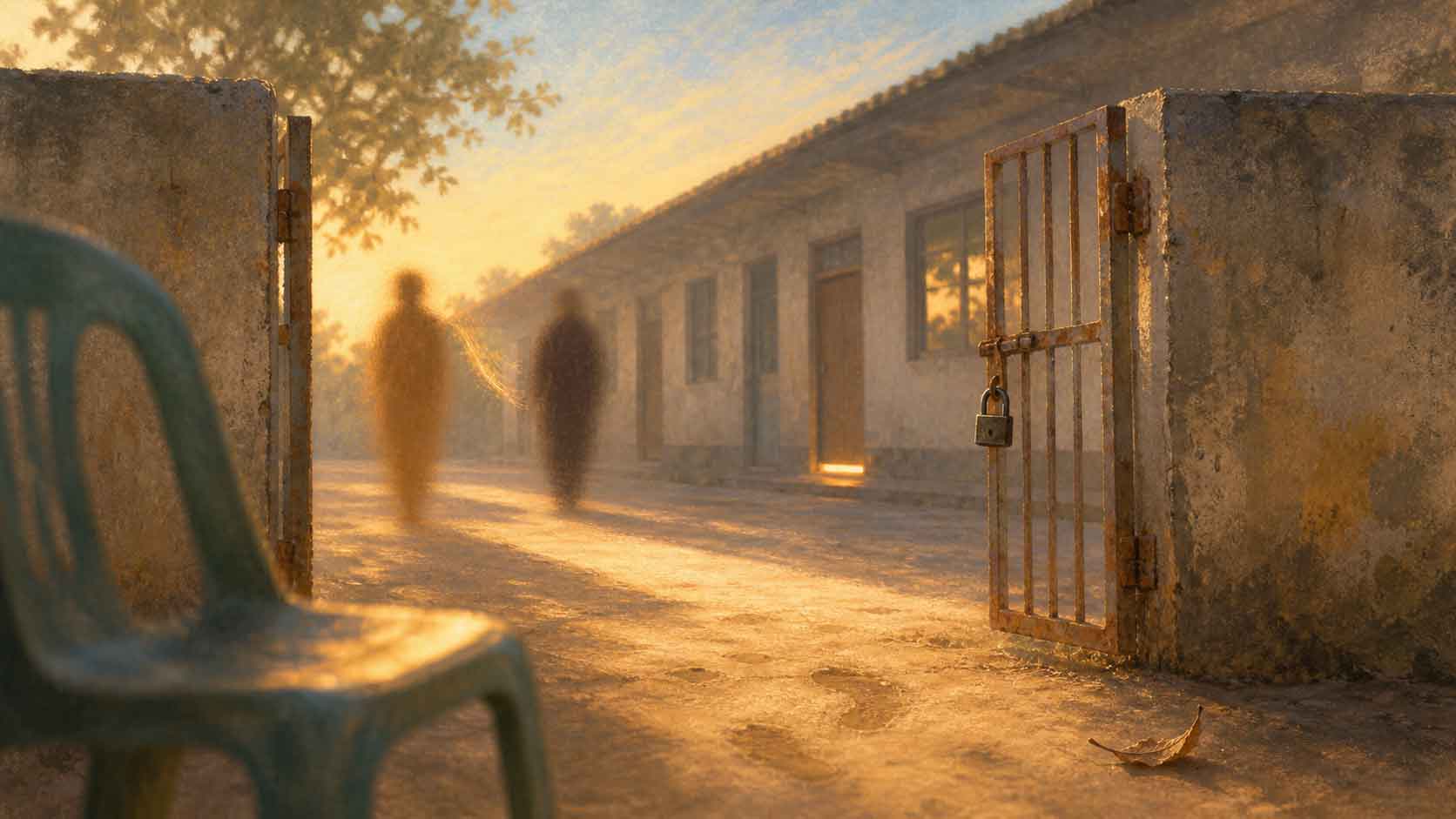
Good Morning

The morning starts the same way every day. I arrive at the school gate around seven. The security guard sits on a plastic chair under the almond tree. He looks up when he hears my…

By The Street View
classic-navigator-map
THE NAVIGATOR’S ARCHIVE

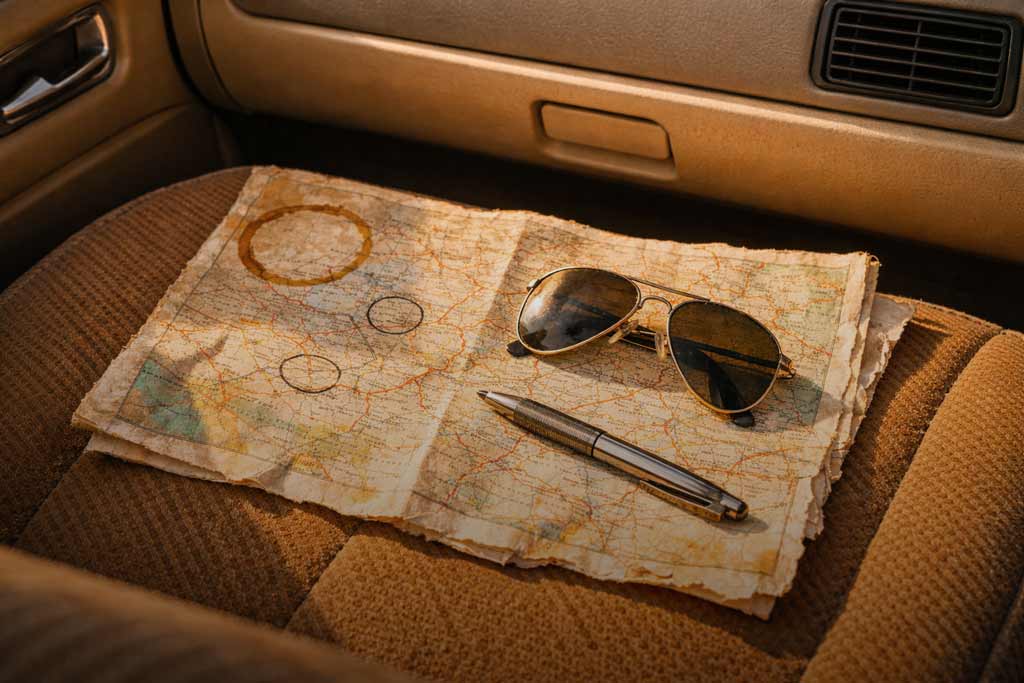
The Era of the "Physical Map" and the Navigator

It stuck halfway, always, like it had something to hide. You had to pull it with a little more force than felt necessary, and when it finally gave way, everything inside shifted forward at once,…

By Editorial Desk
Rustic garden with herbs and pumpkins
HOME ECONOMICS / FOOD SECURITY

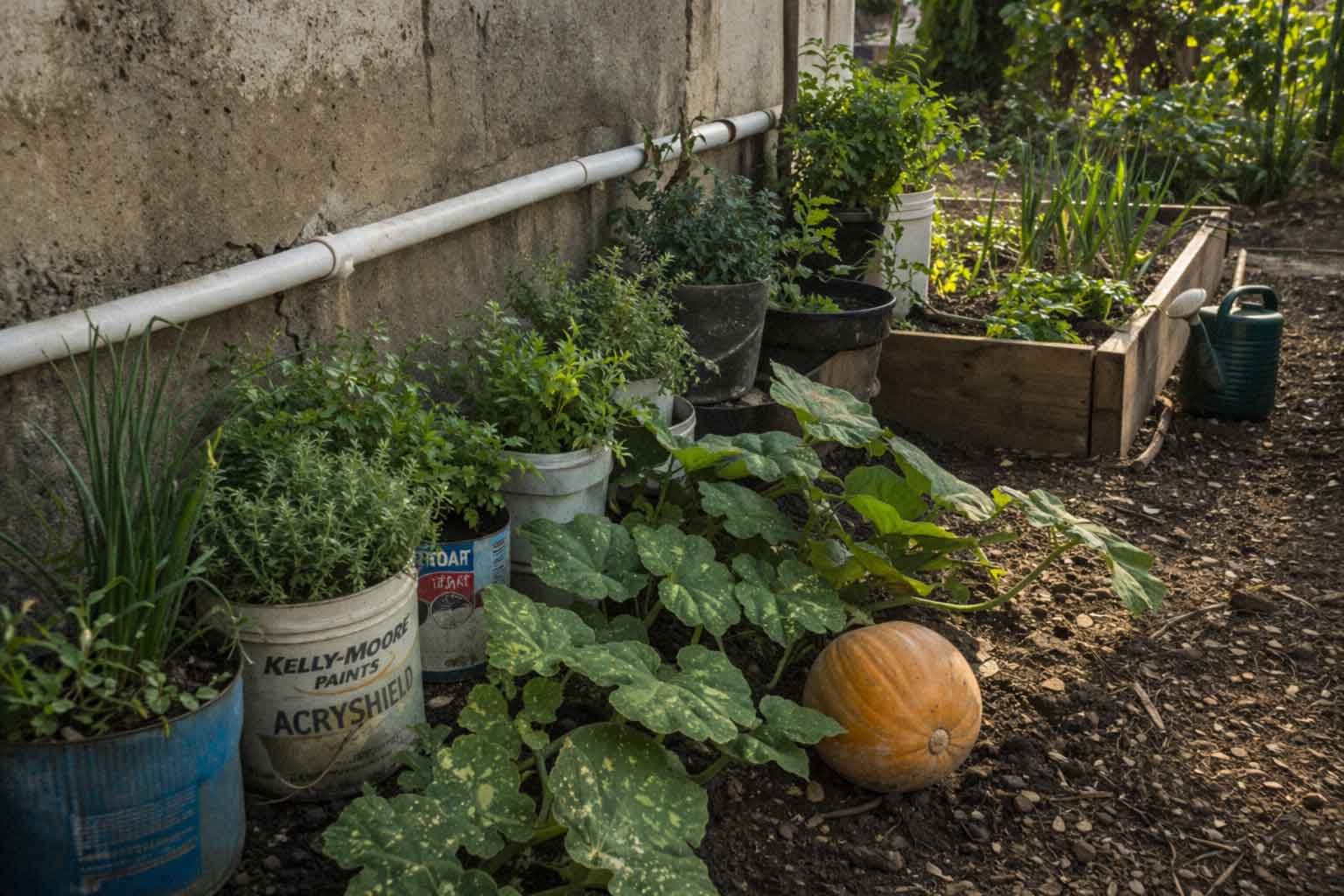
The Kitchen Garden Payoff: Why Your Backyard Does More Than the Budget

The food import bill hit $7.3 billion last year. That number gets repeated a lot. In the news, in budget speeches, in the kind of panels where people use phrases like "value chain optimization."

By The Auditor
Preparing for a ride in the yard
MACHINE & MAN

The First Bike Paradox

There is a small detail that tends to stay with people who ride long enough. The inside of a helmet smells different after twelve minutes than it does after two. That is not a statistic.…

By The Auditor
vehicle-driver-sunset
MACHINE & MAN

The Vehicle as a Tool, a Toy, and a Testament

There are mornings when a vehicle feels like nothing more than a means to an end. The key turns, the engine settles, and you slip into traffic with the quiet resignation of someone who has…

By Editorial Desk
Complex toys vs simple play contrasts
THE SOCIAL FABRIC

The Threshold of the Box

I started noticing it in small ways. The way he never carried anything far from the chest. The way the floor stayed mostly empty even though the room was full. A kind of hovering. As…

By The Auditor
Cozy workspace with baking and office mix
CARIBBEAN LIVELIHOODS

The Cost of Being Legible

The tax threshold is the first problem. Informal vendors do not operate without records because they are disorganized. They operate just below registration thresholds deliberately. There is a number. Stay under it and the tax…

By Amilla Holder
UNSTRUCTURED TIME

The Sunday Thread

The humidity in St. James always feels heavier under the fluorescent lights of a bar that hasn’t changed its floor tiles since the nineties. I found a stool near the back, where the air from…

By The Street View
coin exchange
THE HUMAN FACTOR

The Human Buffer

We have spent the last decade trying to remove people from services. Self checkout lanes, automated calls, chatbots that promise instant answers. The logic is simple. Faster, cheaper, scalable.

By Editorial Desk