“Legacy and Land” Series – Chapter 2
She is up before the first kettle boils.
Not because she has anywhere to be, but because the house does not wait. It creaks awake in its own time. Pipes knock softly behind the walls. A gate clicks somewhere outside. Someone upstairs shifts a chair that drags just enough across the floor to be heard below.
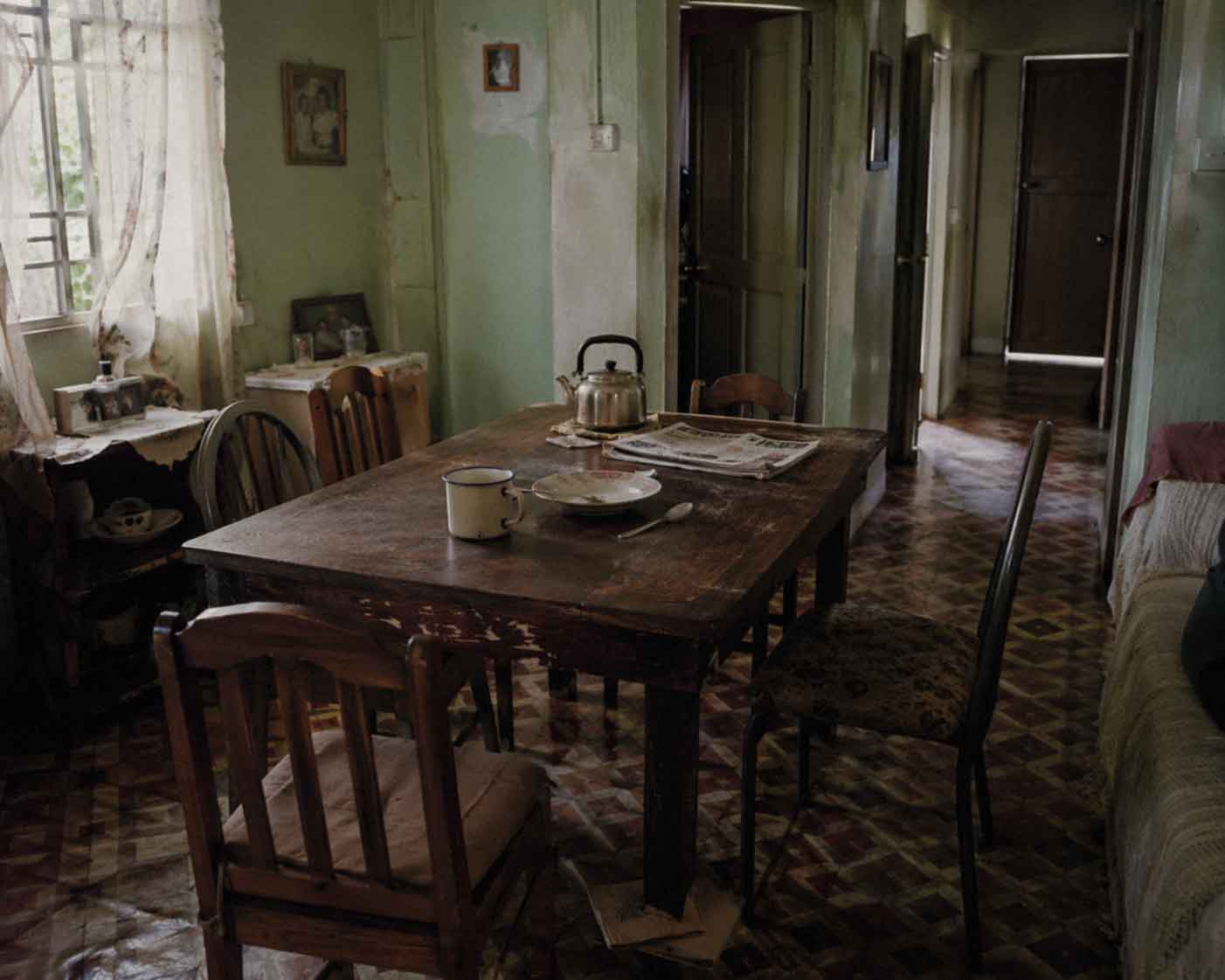
She sits at the table in the front room, the same one that has held more elbows than it was built for. Enamel cup in hand. The radio low, not for listening so much as for company.
By the time the light settles properly, she already knows who is home.
The young man in the back came in late. Too quiet for someone who paid his rent on time. The teacher upstairs left before dawn. She always does on Mondays. There is a couple in the middle room who speak in whispers until they don’t. That door will open soon enough.
The house tells her things. It always has.
She did not set out to become this kind of landlady. It happened slowly, the way most things do. A spare room became two. A cousin stayed longer than expected, then brought a friend. Someone left a job in Kingston and needed a place in San Fernando. Someone else came down from St. Lucia with a suitcase and a name she recognized from years back.
The house expanded around neaed.
It was never advertised as anything special. No sign out front. No listing. People came because someone told them to come. Because someone said, go by Miss Elaine, she will sort you out.
And she did.
Not out of generosity alone. There were rules, and she enforced them without raising her voice. Rent was due when it was due. The kitchen had a rhythm that could not be ignored. If you left the stove dirty, it did not stay that way long. She would appear, cloth in hand, saying very little, which somehow said everything.
Mornings were the closest thing to order.
People moved through the kitchen in shifts, but not enough to avoid each other completely. There was always some overlap. Someone frying eggs while another waited with a cup in hand. Bread passed across the table without asking. A pot of something reheated from the night before.
Conversations started without invitation.
Who get through with water yesterday. Which road flood. Who hiring. Who not paying on time. Someone always knew something. Not everything was shared willingly. Some things slipped out, carried by fatigue or frustration.
You could not disappear in a house like that.
Even silence had weight. If someone stopped coming to the table, it was noticed. If a door stayed closed longer than usual, someone knocked. Not out of concern all the time. Sometimes just curiosity. Sometimes something closer to obligation.
Privacy existed, but it had to be negotiated. Earned, even.
She moved through it all without appearing to manage it. A presence more than a supervisor. She would pause at the doorway, take in the room, adjust something small. A chair slightly out of place. A window left shut when the breeze was right.
It is easy to call that kind of living communal, but that word smooths over the issue. It was not always comfortable.
People argued. About noise, about space, about things that had very little to do with either. A missing spoon could turn into something larger. A borrowed shirt that did not come back could sit in the air for days.
She did not resolve everything. Some things needed to burn out on their own.
Still, there was a kind of density to it. Lives overlapping whether they wanted to or not. You learned the sound of other people’s habits. The way someone coughed. The way someone laughed too loudly when they were trying to impress someone else.
Years passed like that.
Tenants came and went. Some stayed long enough to feel like part of the structure. Others passed through quickly, leaving only small traces behind. A mark on the wall where something had been hung. A name someone mentioned once and then stopped mentioning.
The house held it all without needing to remember it clearly.
At some point, the calls slowed down.
Not all at once. Just fewer people asking if she had space. Fewer suitcases at the gate. The younger ones had other options now. Places that did not require them to pass through a shared kitchen or explain themselves to anyone sitting at a table.
Buildings went up with names.
Names that sounded like places elsewhere. Units instead of rooms. Access instead of keys. You could arrange everything before you even arrived. Photos showed you what you would get. Clean lines. Empty spaces waiting to be filled.
No one asked who you knew.
No one needed to.
Rent moved from hand to hand into something else entirely. Numbers entered into a phone. Confirmations sent without a word spoken. Complaints typed out and submitted, answered by someone who might not even be in the same building.
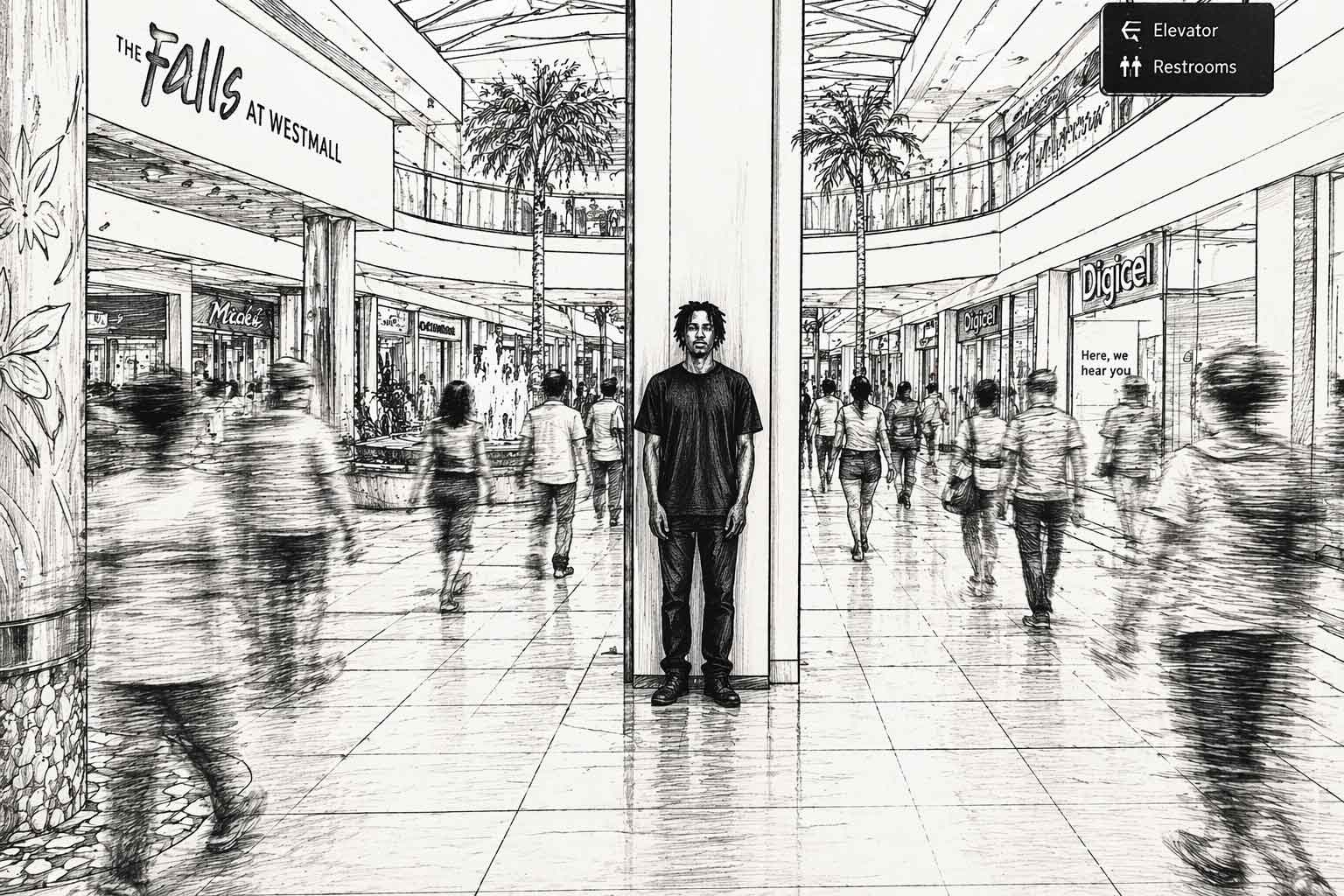
You could live next to someone for a year and never learn their name.
She hears about these places from time to time. A former tenant might pass by, stand at the gate, tell her where they are now. They speak about elevators that work all the time. About water that does not cut. About not having to wait for a turn in the kitchen.
They do not speak about the people next door.
Not because they are hiding anything. There is simply nothing to say.
It is a different kind of living. Cleaner in some ways. More predictable. You know what you are paying for, and you get it. There is comfort in that. No unexpected noise at midnight. No one using your cup without asking. No need to adjust yourself around other people’s habits.
You close your door and the world stays out.
It sounds like an improvement, and in many ways, it is.
But something has thinned.
The old house never allowed you to forget that other people were close. Their lives brushed against yours, sometimes gently, sometimes not. You learned things without trying. You were forced into small negotiations every day.
Now, everything can be managed at a distance.
Even the idea of community feels packaged. A shared space downstairs with chairs arranged just so. A notice about a gathering that people attend or ignore. It exists, but it does not press itself into your life the way a crowded kitchen does at seven in the morning.
It waits to be chosen.
She still keeps the front room as it was. The table has been repainted more times than she can count. One leg is slightly shorter than the others. A folded piece of cardboard sits underneath, tucked just enough that you would not notice unless you were looking.
Some habits do not leave.
A kettle whistles. She rises without urgency, pours the water into a cup that has lost some of its colour along the rim. Outside, the road is quieter than it used to be. Fewer people passing on foot. More cars, windows up.
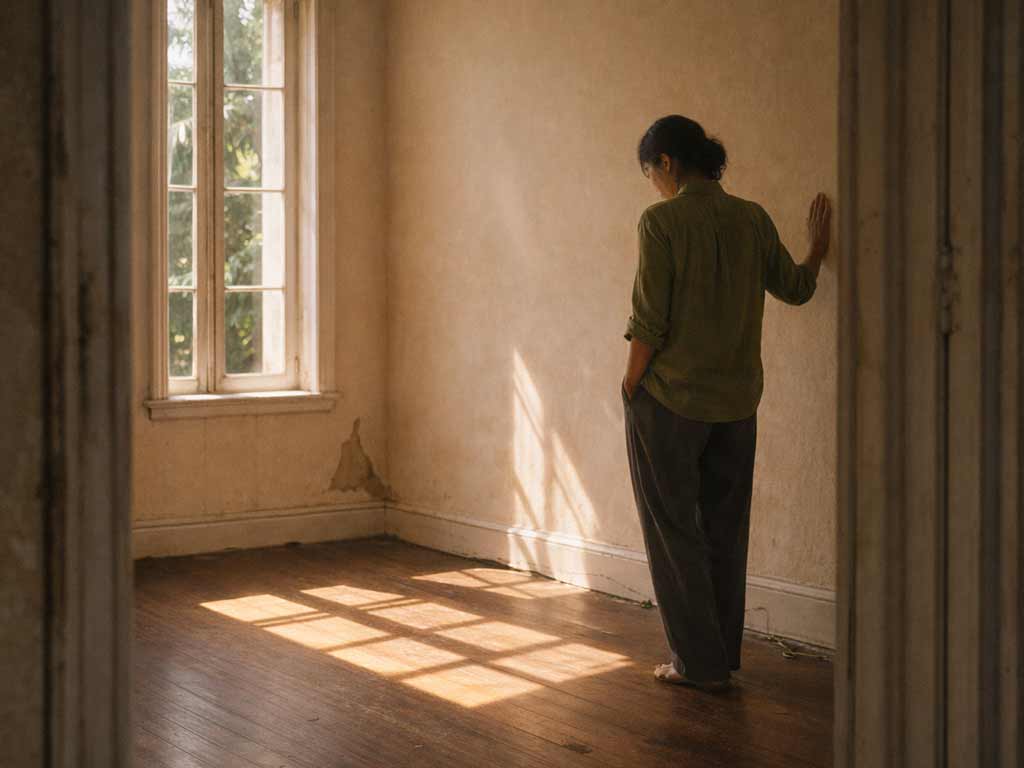
The house does not fill the way it once did.
There are still tenants. One or two rooms occupied. Enough to keep the place alive, but not crowded. Not noisy in the same way.
She moves through the hallway, pauses by a door that is slightly ajar. No need to knock. She knows who is inside, and what time they usually leave.
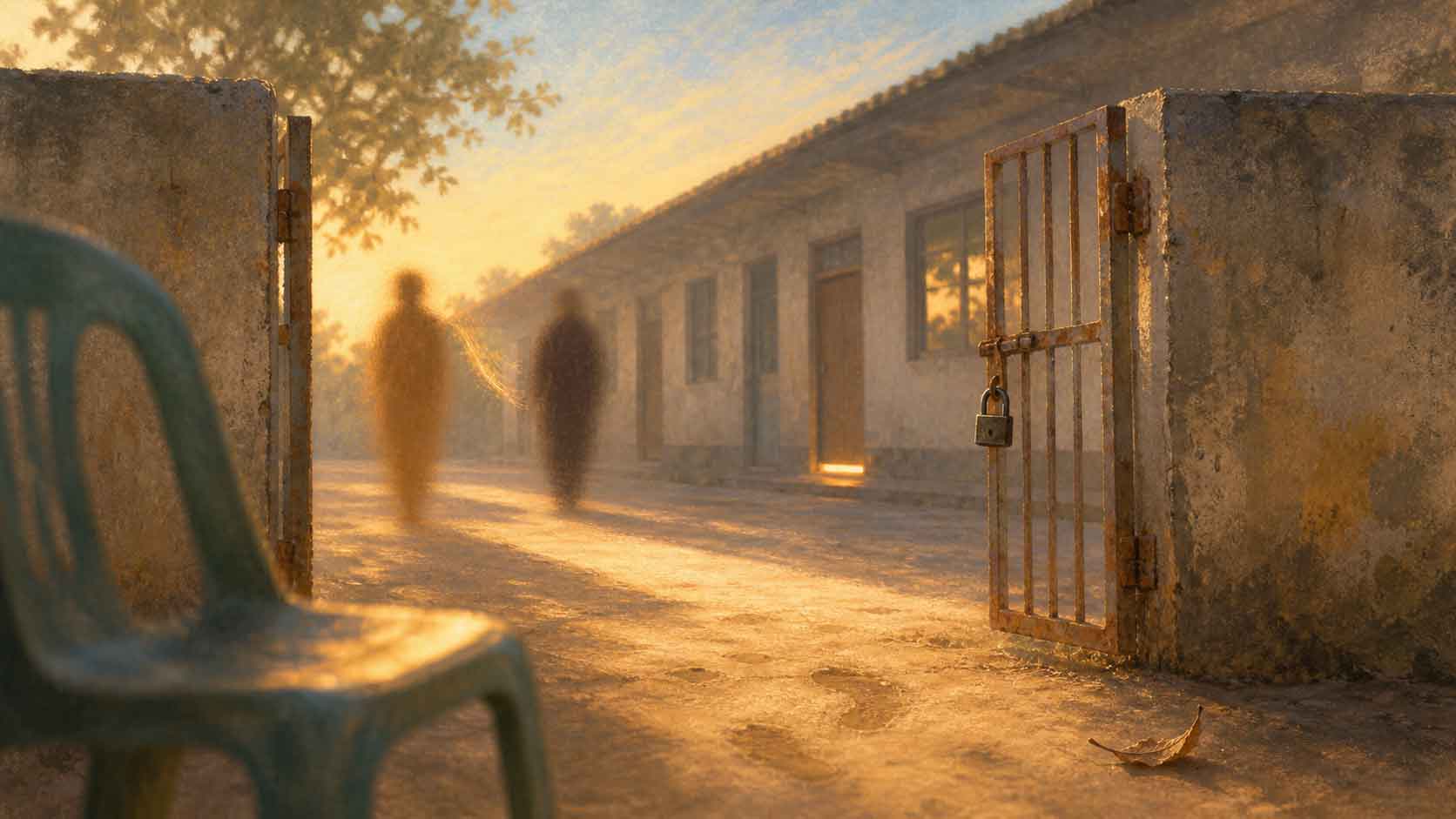
Somewhere in the back, a chair scrapes lightly against the floor.
She smiles, just for a moment.